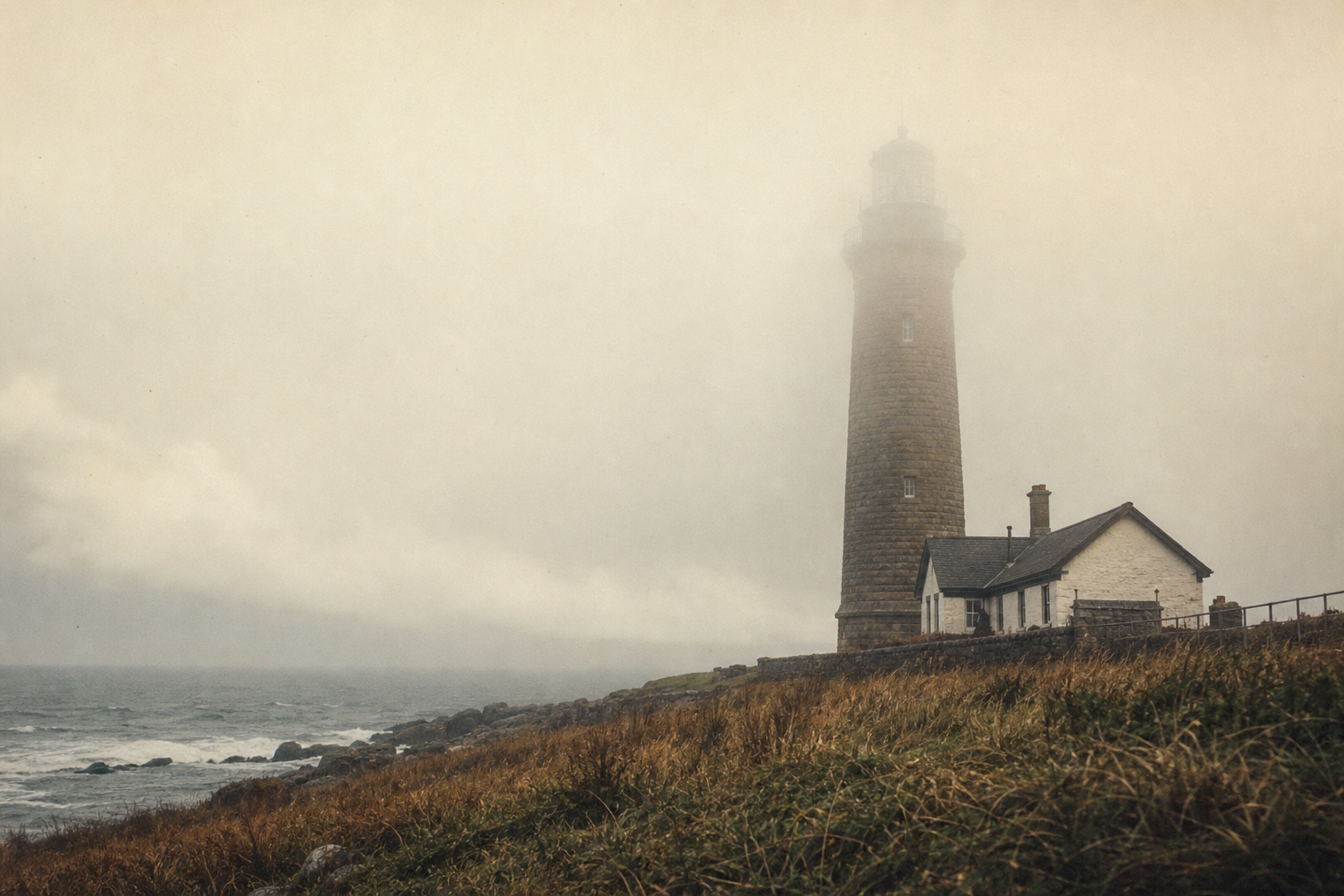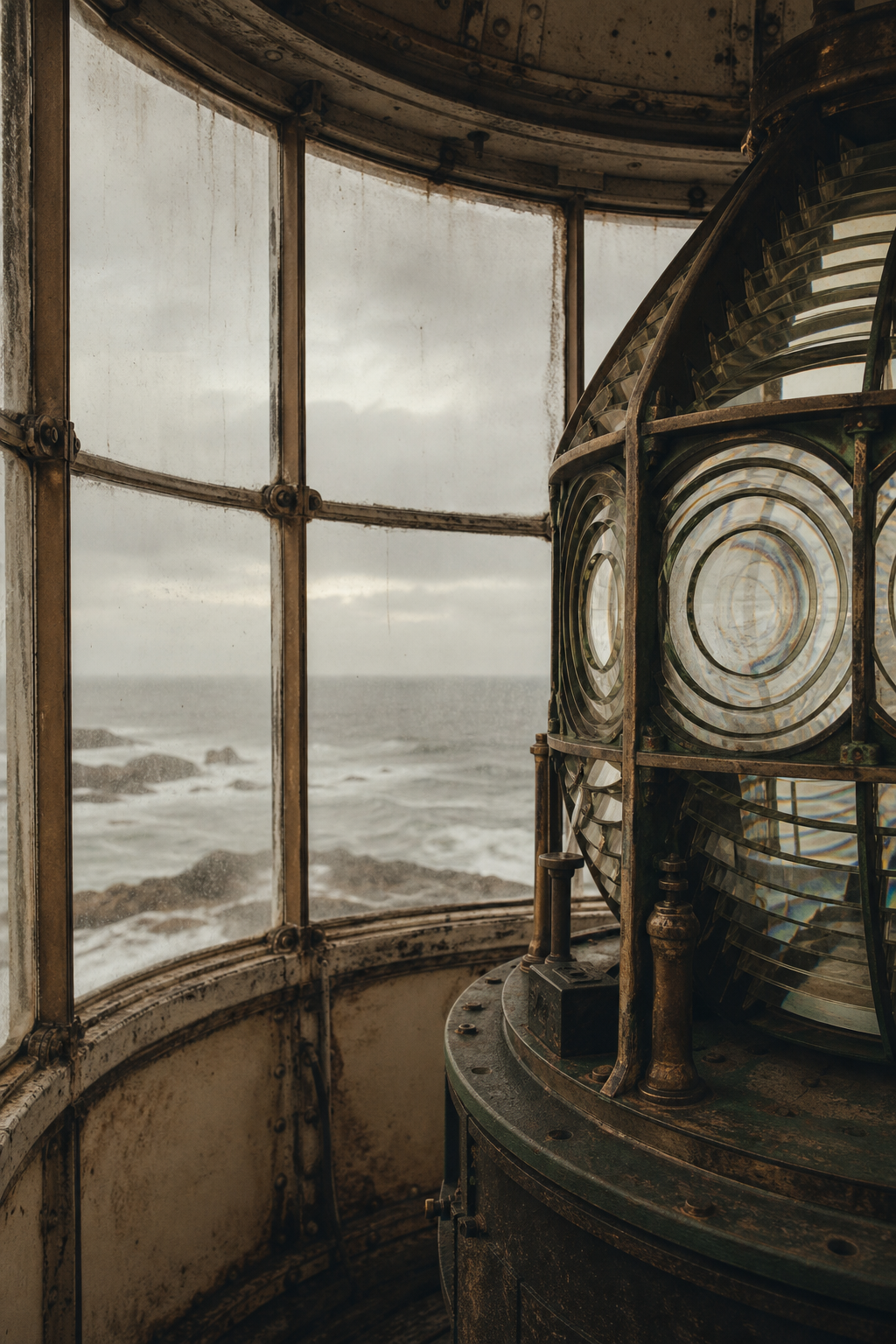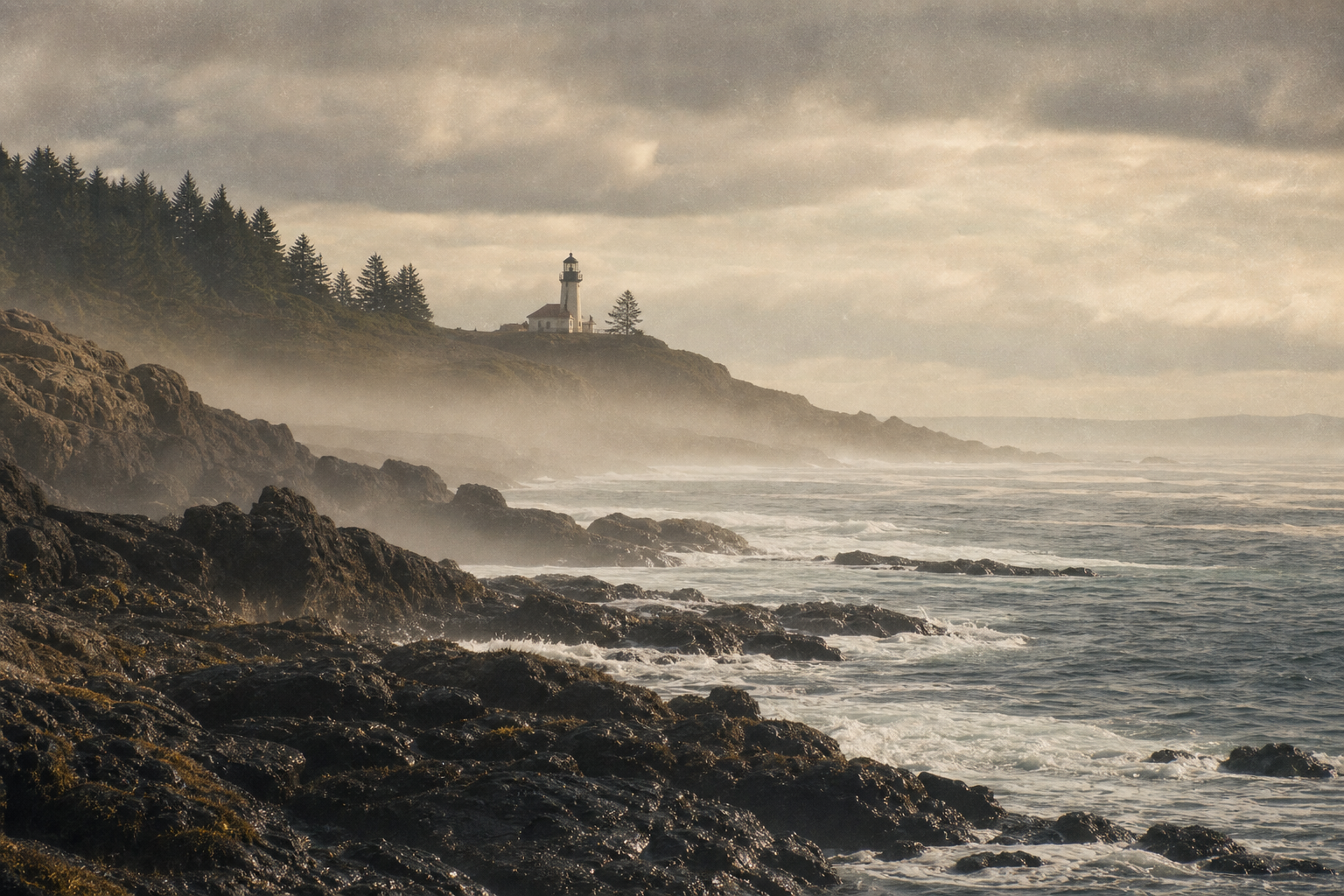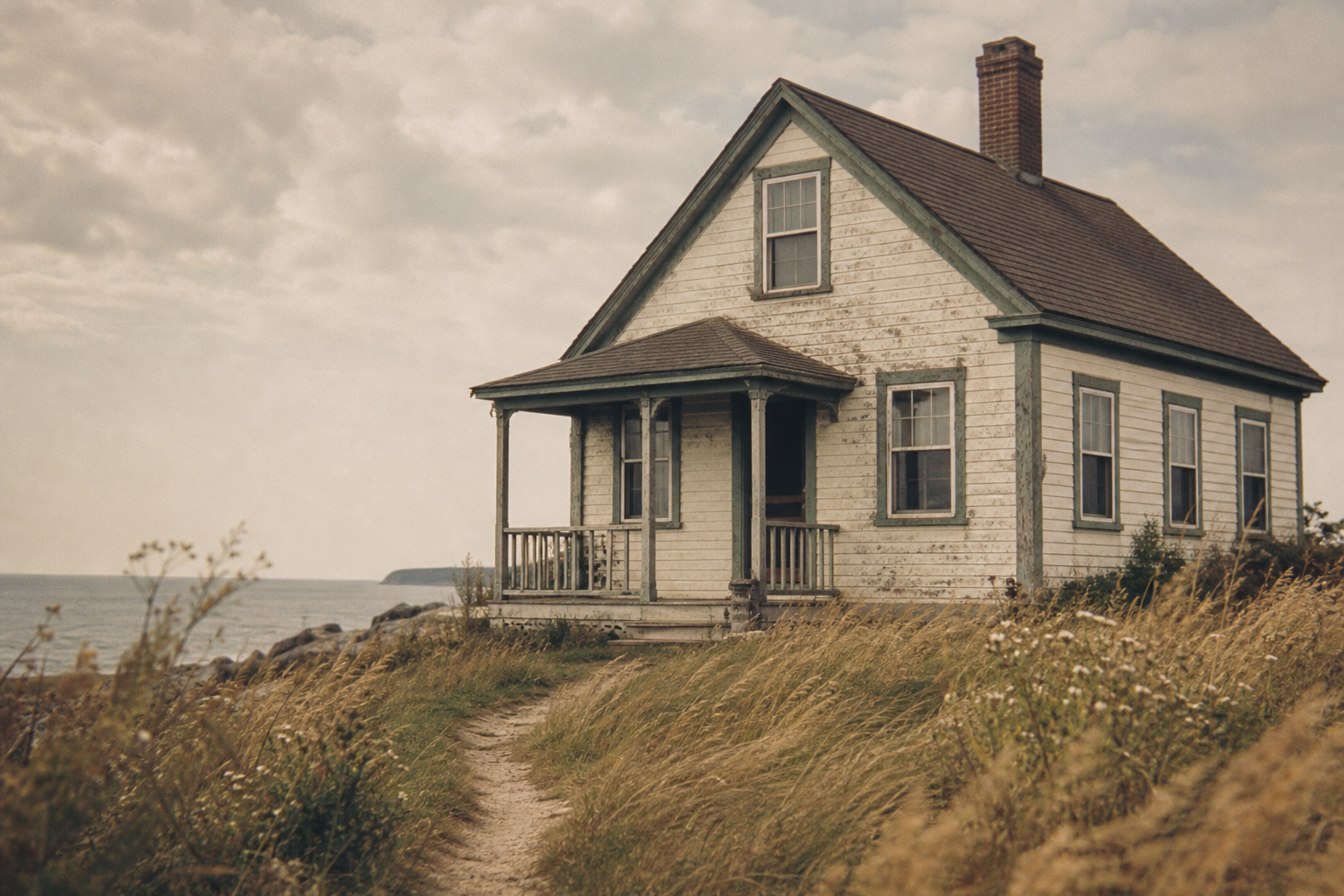
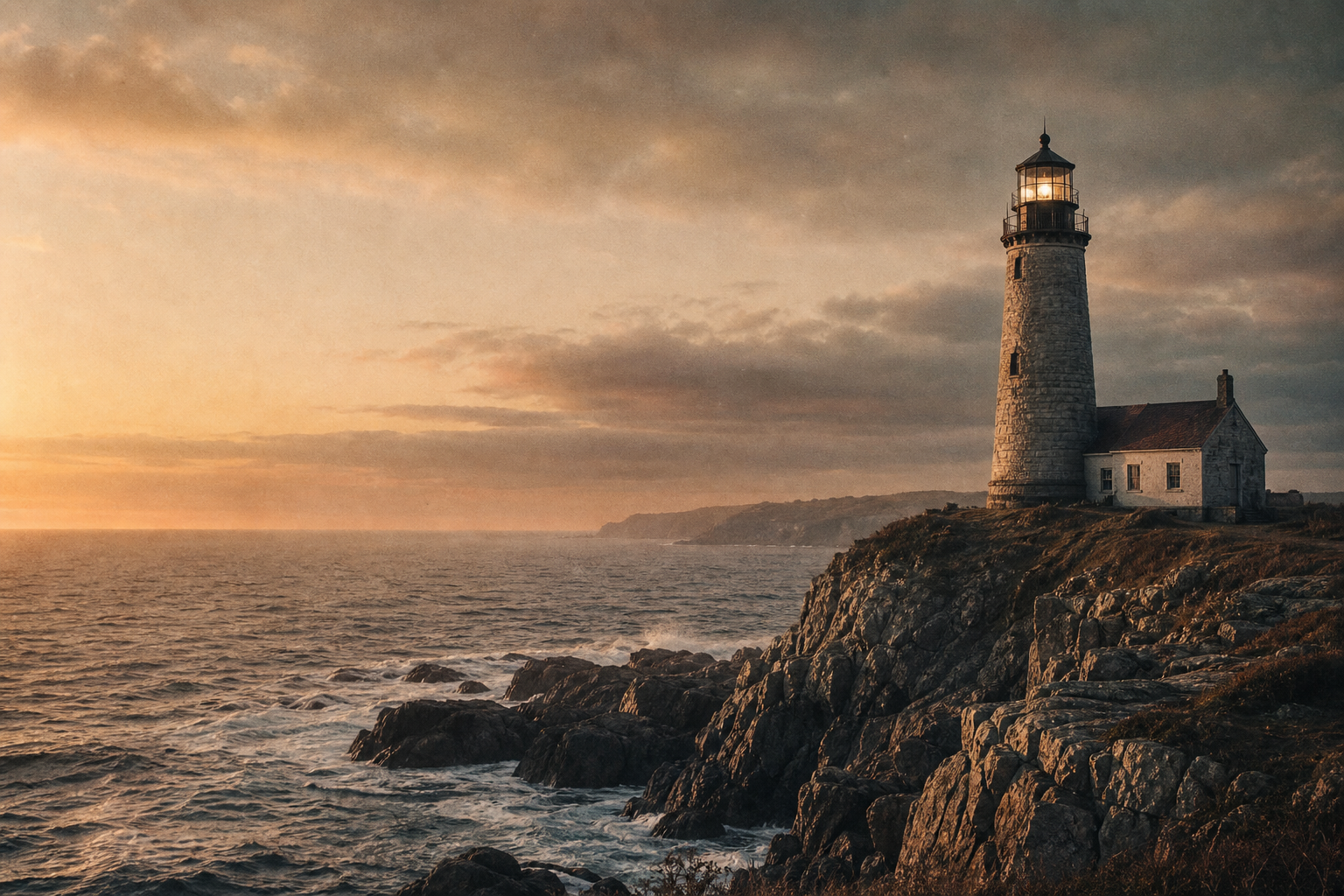
Warm film-style photograph of a solitary lighthouse on a rugged northern shoreline at dusk

Northern Coast Lighthouses

Lights Along the Northern Coast

Archive photographs, keeper stories, and preserved towers from a shoreline shaped by weather and watchfulness.

A calm visual record of beacons, keepers, and coastal routes that guided generations along the northern edge.

Explore the archive

Curated from regional archive collections

Mapped references to preserved coastal towers
History Overview

A Coast Marked by Light

The northern chain of lighthouses emerged gradually as weather, expanding trade, and a dangerous shoreline demanded clearer night guidance and steadier warning systems.

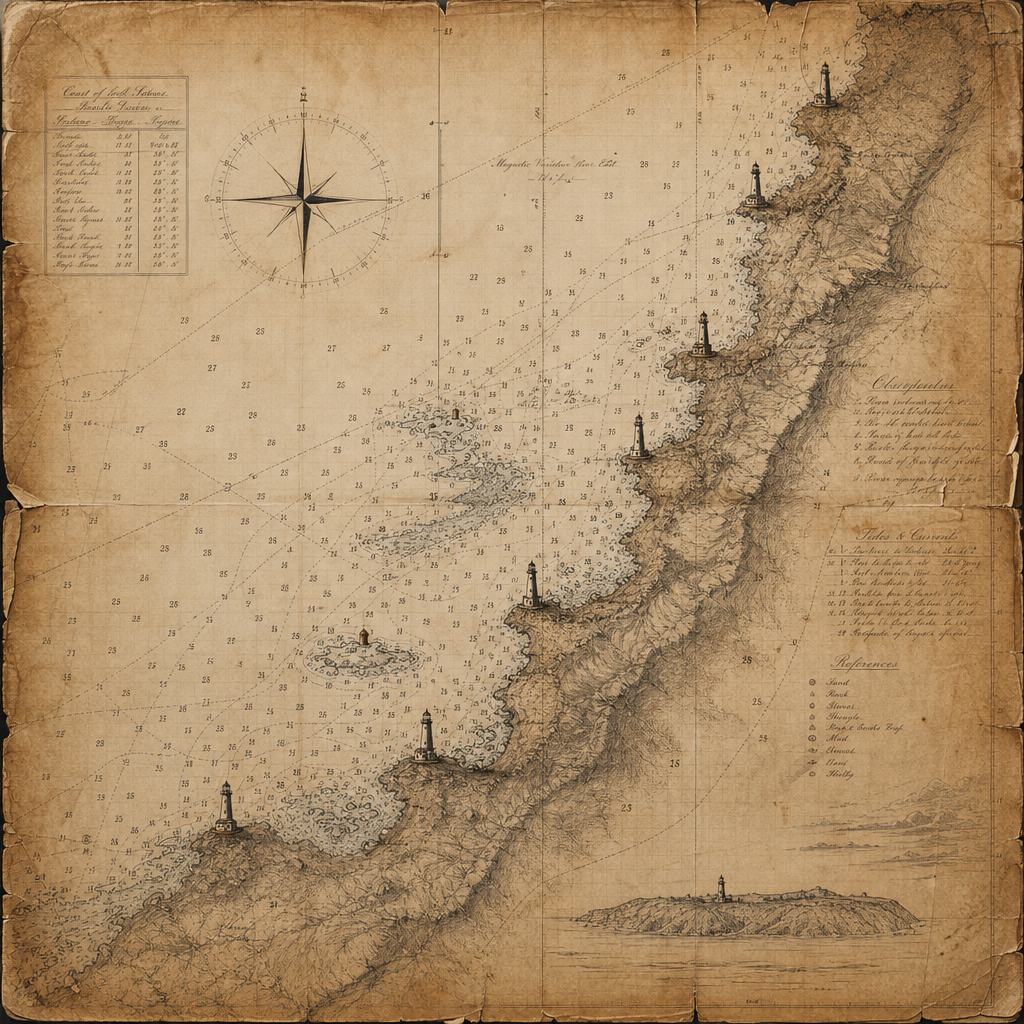
Weathered archival navigation chart of the northern coast with hand-drawn shoals and lighthouse marks
Archive inset: coastal chart detail, c. 1880

1798–1820

First Warnings on Stone

Timber beacons and simple lamps appeared near reef approaches where winter storms repeatedly broke small cargo routes.

1820s–1860s

Trade Lanes, Taller Beacons

As harbor commerce expanded, masonry towers rose higher to project a more reliable sweep across widening shipping corridors.

1870s–1910s

Fog Signals and Standard Codes

Sirens, improved lenses, and coordinated flash intervals created a legible nighttime map for captains in low visibility.

1920s–Today

From Service to Preservation

Automation reduced resident crews, while local stewards protected surviving towers as cultural markers of coastal memory.

Keeper Stories

Lives Behind the Lantern

Fragments from logbooks and family recollections trace the rhythm of watch duty, weather, and home along the northern coast.

Night Watches

Between midnight trims and dawn checks, keepers learned to read small changes in wind and flame before they became danger.

Logbook context

Storm Signals

During winter squalls, signal flags and horn codes turned routine into urgency, with every blast carrying instructions across rain and surf.

See related plates

Family Routines

Children counted supply boats and memorized fog patterns, while supper was timed to the lamp room bell and the turn of the glass.

Browse family scenes

Continue along the shoreline record in Preserved Towers.

Preserved Towers

What Still Stands

These surviving towers remain fixed points in the shoreline’s memory—quiet anchors linking keeper accounts, navigation routes, and the coast we still read today.

North Head Lantern

Greycap Reach

Preserved

Lantern room restored in 2014; stone base stabilized against cliff erosion.

Outer-coast approach marker

Brindle Point Light

Warden Bay

Key Landmark

Operational beacon preserved with its original fog bell and lens housing.

Harbor entrance guide

Coldwater Spire

Tern Cliff

Conserved

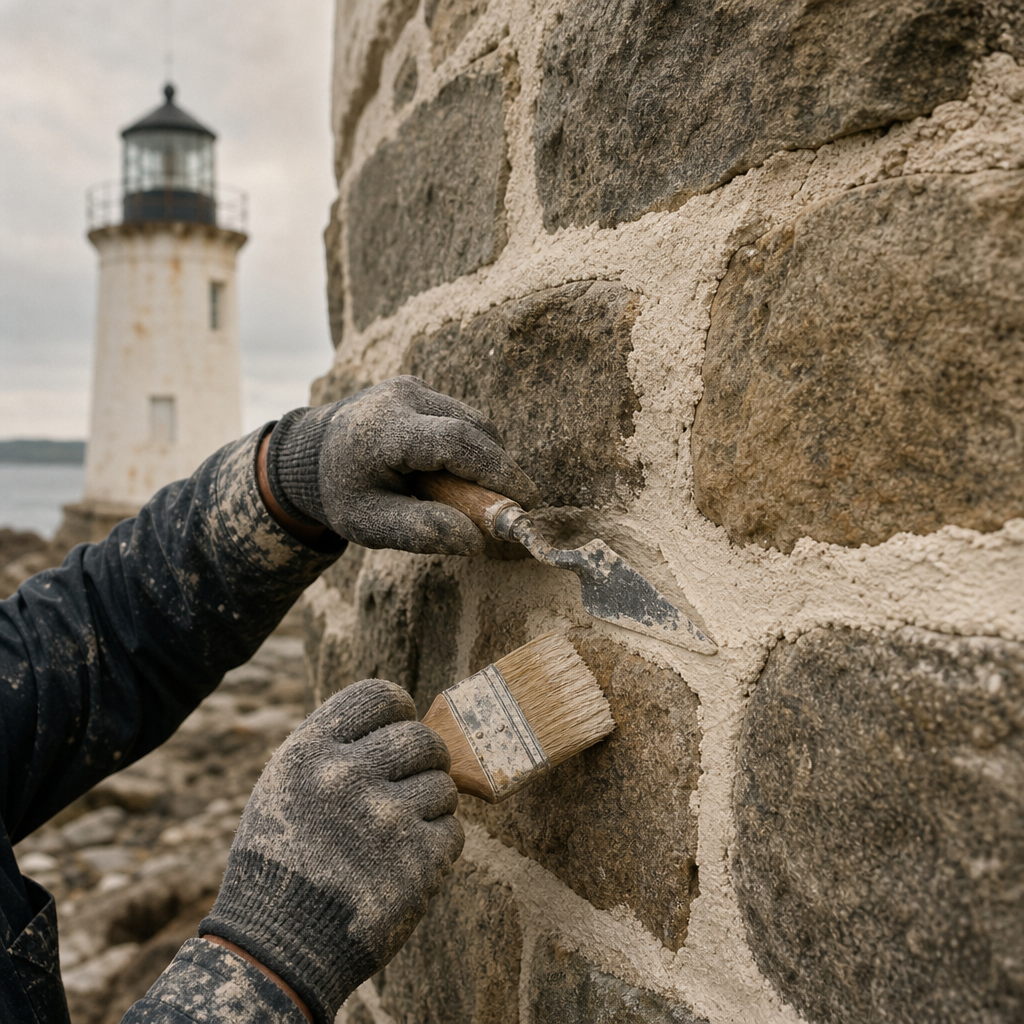
Tower shell conserved; gallery rail carefully recreated from archive plans.

Reef warning station

Sable Inlet Beacon

Marshline Inlet

Retained

Keeper cottage lost, but the cast-iron tower remains structurally sound.

Channel alignment light

Coastal reference

Tracing the Preserved Coast

From weathered headland stations to sheltered harbor lights, the surviving towers can still be followed as one connected shoreline route.

1
2
3
4
Archive Plate 03

The Archive in View

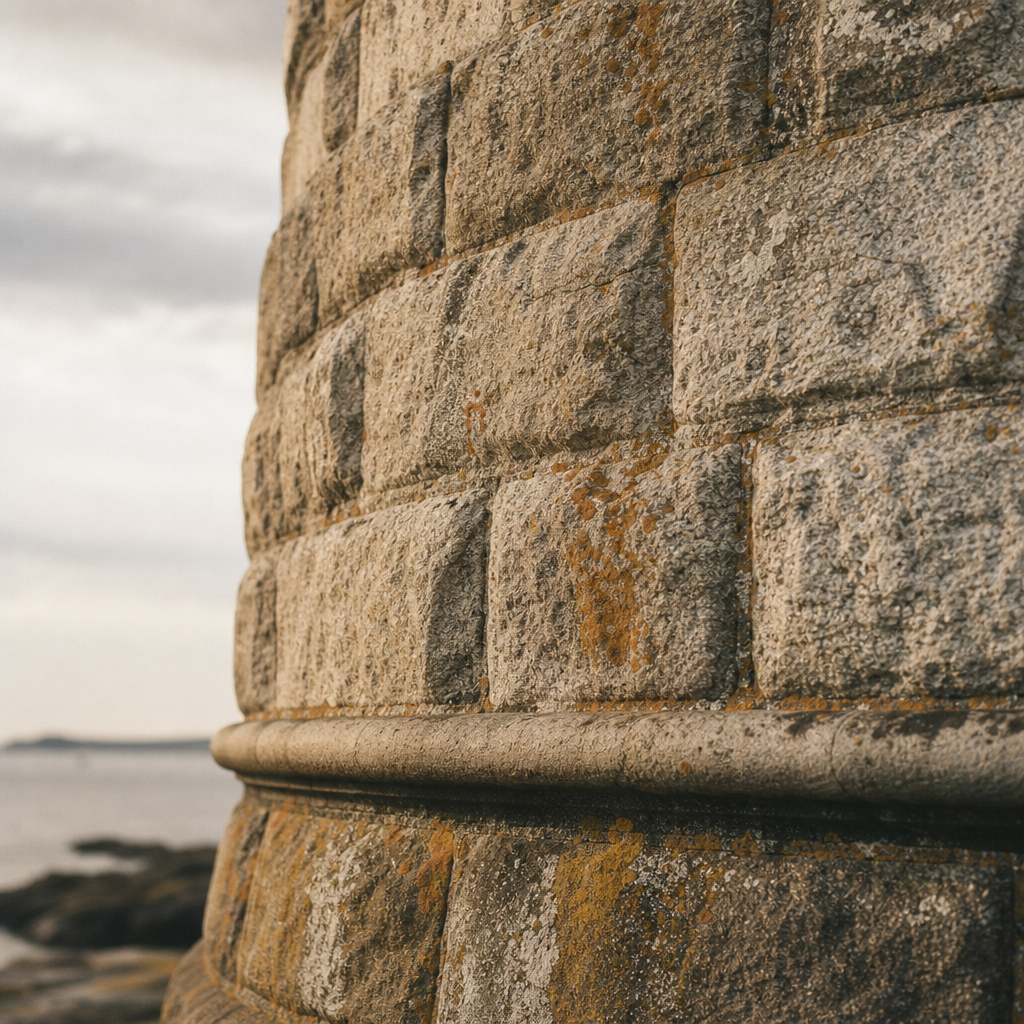
Lantern rooms, headlands, keeper dwellings, weathered masonry, shoreline fog, and restoration traces collected as a living visual record of the northern coast.

Visit Notes

Before You Visit

Explore these preserved sites with care—slow down, watch the shoreline conditions, and help protect the structures and stories that remain.

Which access paths should I use near preserved towers?
Stay on marked public footpaths and boardwalks where provided; unmarked cliff and dune routes can erode quickly and damage sensitive groundcover.
What coastal weather changes should I plan for?
Conditions can shift from clear to fog and wind within minutes. Bring a wind layer, stable footwear, and allow extra daylight for your return walk.
Are lighthouse structures safe to enter or climb?
Many preserved towers are view-only from exterior zones. Respect barriers and closure signs—masonry, railings, and stairs may be historically significant yet structurally fragile.
When is seasonal visibility best for coastal views?
Late spring and early autumn often offer long sightlines with lighter haze. In winter, storms can obscure landmarks even when access roads remain open.
How can I follow preservation-friendly etiquette while visiting?
Pack out all waste, avoid moving artifacts or stones, keep noise low, and share location details responsibly so sensitive sites remain protected for future visitors.